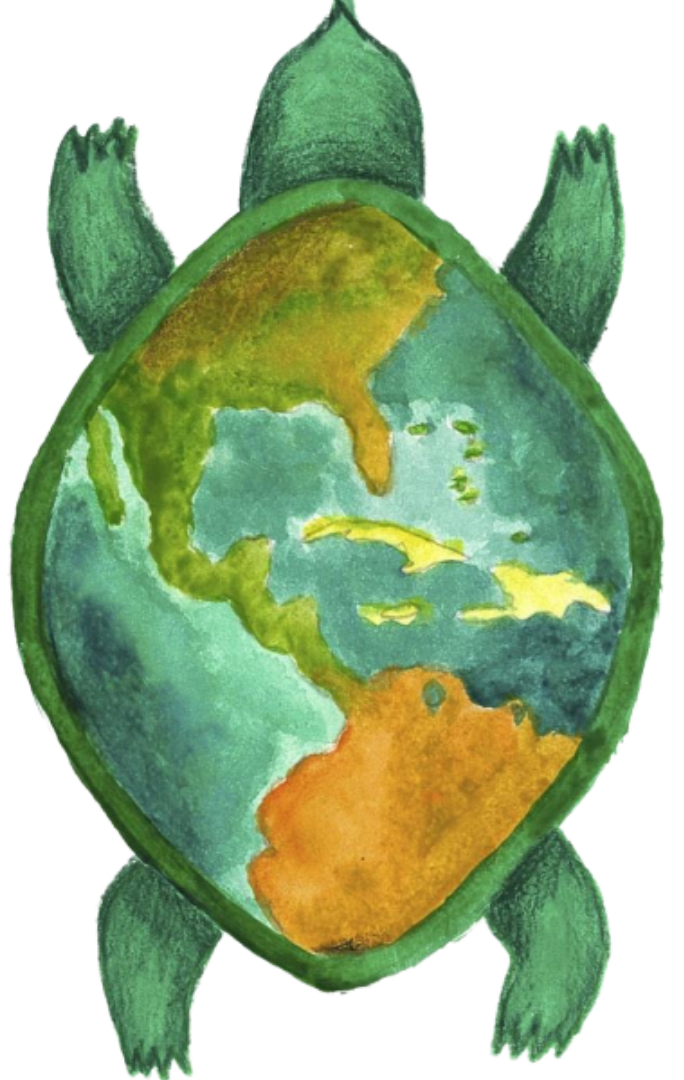
Designing the Ecological Garden: Gaia’s Garden Lessons for Gainesville, FL

Posted on November 13th, 2026
Your garden doesn't need more plants. It needs a better plan.
You can spend hundreds of dollars on beautiful flowers, shrubs, mulch, and garden supplies—and still end up with a landscape that feels difficult to manage.
Plants struggle in the wrong locations. Rainwater collects where you don't want it. Sunny areas become too hot, shaded areas remain underused, and garden beds require more attention than expected.
The problem isn't always the plants. Sometimes, it's the design.
In Gaia’s Garden: A Guide to Home-Scale Permaculture, Toby Hemenway introduces an ecological approach to gardening that looks beyond individual plants. The garden is treated as a connected system in which sunlight, soil, water, plants, animals, and people influence one another.
Chapter 3, “Designing the Ecological Garden,” offers an important lesson: a successful garden begins by understanding natural patterns and using them to guide design decisions.
For homeowners in Gainesville, Florida, this approach can make a real difference. Our landscapes experience hot summers, heavy seasonal rainfall, periods of dry weather, humidity, and varying soil and drainage conditions.
Instead of fighting those conditions, you can design around them.
Here are practical ways to bring ecological garden design into your Gainesville property.
What Makes a Garden Ecological?
An ecological garden is more than a collection of environmentally friendly plants.
It's a landscape designed around the relationships between its different elements.
Think about a natural woodland. Trees provide shade. Fallen leaves contribute organic matter. Different plants occupy different spaces. Water moves through the terrain. Wildlife finds food and shelter.
Each element has a role, and the relationships between them help the ecosystem function.
A residential garden can use the same thinking.
A tree might provide shade for an outdoor seating area. A planting bed might help soften a pathway while attracting pollinators. A rain garden, when properly located, can help manage runoff. Compost can return organic matter to garden beds.
The goal is to make your landscape beautiful while allowing its different parts to support one another.
1. Observe Your Property Before You Start Planting
The first step toward a better garden isn't visiting a nursery. It's getting to know your property.
Every Gainesville yard has its own conditions. Even neighboring properties can have different sunlight patterns, drainage issues, existing vegetation, and soil characteristics.
Before making changes, spend time observing your outdoor space.
Pay attention to:
Sunlight: Which areas receive full sun, morning sun, or afternoon shade?
Water: Where does rainwater collect, flow, or disappear quickly?
Soil: Are some areas sandy, compacted, or rich in organic matter?
Vegetation: Which existing trees and plants are healthy and worth preserving?
Wind: Are there exposed areas that experience strong winds?
Human activity: Where do people walk, relax, entertain, or spend time outdoors?
These details can reveal opportunities you might otherwise overlook.
For example, a hot area beside a driveway may be better suited to plants that tolerate strong sunlight and heat. A shaded section beneath mature trees may offer opportunities for a completely different planting arrangement.
The best landscape design starts with what your property already has—not with a shopping list.
At WithNature Landscapes, our Landscape Design Services in Gainesville, Florida consider site conditions such as sunlight, shade, slope, drainage, and soil before developing a customized plan.
2. Follow Nature's Patterns When Planning Your Layout
Nature doesn't divide a landscape into unrelated decorative sections. Its patterns develop through relationships between terrain, water, sunlight, and vegetation.
You can use similar thinking when organizing your garden.
Instead of placing a patio, pathway, lawn, and planting beds wherever they fit, consider how these features connect.
For example, a pathway should make it easy to reach the areas you actually use. A seating area might benefit from afternoon shade. A productive garden should be convenient to access and receive appropriate sunlight.
Even the shape of a garden bed can influence how easily you maintain it.
A keyhole garden layout, for example, uses an access opening that allows gardeners to reach more of the planting area without walking across the bed.
These ideas are especially useful for smaller Gainesville backyards, where every section of space needs to serve a purpose.
A good layout doesn't simply fill available space. It makes the space work better.
3. Design Around Sunlight and Microclimates
One of the most common landscape design mistakes is treating the entire yard as if it has the same growing conditions.
It doesn't.
A sunny front yard, a shaded backyard, and a narrow planting strip beside a house can experience very different temperatures and moisture conditions.
These small environmental differences create microclimates.
In Gainesville, understanding microclimates is particularly important during hot summer months.
Rather than forcing the same plants into every area, choose plants according to their actual growing requirements.
Consider:
Heat-tolerant plants for exposed sunny areas.
Shade-tolerant plants beneath suitable tree canopies.
Plants suited to naturally moist areas.
Drought-tolerant selections for locations that dry quickly.
Groundcovers appropriate to the available sunlight and soil conditions.
Also consider how trees and shrubs will affect the garden as they mature.
A plant that receives full sun today may be shaded several years from now.
Planning for these changes can prevent unnecessary replacement and maintenance.
4. Make Water Management Part of the Design
Florida rainfall can be both a resource and a challenge.
During periods of heavy rain, water may collect in low areas, flow across hard surfaces, or create erosion. During drier periods, some planting beds may need additional irrigation.
An ecological garden considers these conditions from the beginning.
Start by observing where water moves across your property during a rainstorm.
Are there areas where runoff collects? Does water flow toward the house? Are certain planting beds consistently too wet or too dry?
Depending on the site, possible design solutions include:
Rain gardens in suitable locations.
Permeable pathways and outdoor surfaces.
Appropriate drainage features.
Planting areas designed around different moisture conditions.
Rainwater harvesting where practical.
A rain garden, for example, can be an attractive landscape feature designed to temporarily collect and absorb runoff.
However, placement matters. Soil, slope, nearby structures, and drainage conditions should guide the decision.
Water management shouldn't be an afterthought. It should be part of the original landscape plan.
5. Build a Strong Foundation With Healthy Soil
A beautiful garden starts below the surface.
Soil influences how plants establish roots, access nutrients, and respond to changing moisture conditions.
Many Gainesville properties have sandy soils that drain quickly and may benefit from thoughtful organic matter management. However, soil conditions vary, so it's important to understand what you're working with before choosing an amendment strategy.
An ecological garden focuses on improving soil conditions rather than relying entirely on repeated inputs to compensate for poor growing conditions.
Practical steps include:
Protecting exposed soil with suitable mulch.
Adding finished compost where appropriate.
Avoiding unnecessary soil disturbance.
Selecting plants suited to existing soil conditions.
Maintaining organic matter over time.
Leaves and suitable garden materials can also become useful resources through composting and mulching.
The objective is to create soil conditions that support healthy plant growth and a more resilient landscape.
6. Choose Plants That Have a Purpose
An ecological garden doesn't need to look wild or unorganized.
It can have beautiful planting beds, defined pathways, attractive trees, and comfortable outdoor spaces.
The difference is that plants are selected with a purpose.
Some provide seasonal flowers. Others offer shade, edible harvests, groundcover, or habitat for beneficial wildlife.
For Gainesville homeowners, native and Florida-friendly plants can be valuable options when their growing requirements match the site.
You might combine:
Native flowering plants that support local pollinators.
Fruit trees suited to the property's conditions.
Herbs and edible perennials.
Shrubs that provide structure and habitat.
Groundcovers that protect suitable planting areas.
The key is compatibility.
A plant should be selected according to its sunlight requirements, mature size, moisture preferences, and soil needs—not simply because it looks attractive at the garden center.
A thoughtfully selected plant community can contribute to a landscape that is both useful and visually appealing.
7. Design for the Garden's Future
Your garden will change.
Trees grow taller. Shrubs spread. Shade patterns shift. Plants establish themselves, and the landscape develops over time.
That's why ecological design should consider more than how the property will look immediately after installation.
Think about where plants will be five years from now.
Will trees have enough room to mature? Will shrubs block pathways? Will roots interfere with nearby hardscape? Will the garden still receive enough sunlight for the plants you've selected?
Also consider how you want to use your property in the future.
Perhaps you want to add an edible garden, create a shaded seating area, or expand your pollinator planting beds.
A clear design plan can help these elements fit together instead of becoming separate projects that compete for space.
Turn Your Gainesville Yard Into a Garden With Purpose
The most important lesson from Gaia’s Garden is that ecological garden design is about understanding relationships.
Sunlight affects plant selection. Soil influences water management. Water movement affects where features should go. Plant choices influence habitat and maintenance. And the entire design should support the way you want to use your outdoor space.
You don't need to transform your entire yard overnight.
You need a thoughtful plan that helps every part of your landscape work together.
At WithNature Landscapes, we create functional, beautiful, and sustainable outdoor spaces designed around your property and Gainesville's growing conditions.
Our landscape design service includes site assessment, customized permaculture design, planting recommendations, soil health strategies, water-efficiency planning, hardscape layouts, and practical maintenance guidance.
Ready to create a landscape that works with nature instead of against it?
Explore our Landscape Design Services in Gainesville, Florida and book an appointment to discuss your property and goals.
Your garden shouldn't be a collection of disconnected projects.
It should be a place where beauty, function, and nature come together.
WithNature Landscapes — Transform Your Landscape, Transform Your Life.
Contact Me
Send a Message
We design landscapes that work with nature, not against it.
Whether you need a permaculture plan or organic supplies, we're here to help.
Let’s create a thriving, eco-friendly space together!