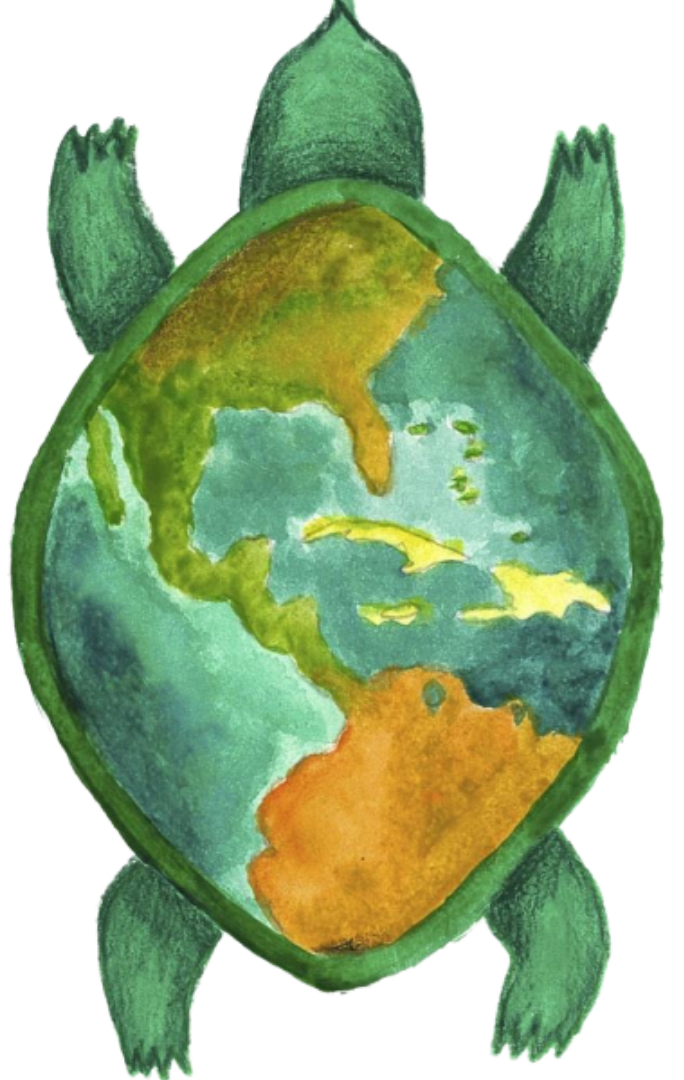
Backyard Biodiversity: Lessons From Gaia’s Garden for Gainesville, Florida

Posted on October 23 th, 2026
Your backyard could be doing more than looking green.
It could attract butterflies, support birds, grow fresh food, improve soil health, and become a more beautiful place to spend time outdoors.
But many landscapes are designed as if every plant exists on its own. A lawn here. A few shrubs there. Flowers that look good for a season but offer little variety for wildlife.
The result? A yard that may require regular watering, trimming, fertilizing, and troubleshooting without giving much back.
What if you approached your backyard differently?
In Gaia’s Garden: A Guide to Home-Scale Permaculture, author Toby Hemenway explores how homeowners can use ecological principles to create productive, interconnected gardens—even in relatively small spaces.
For homeowners in Gainesville, Florida, these ideas offer an exciting opportunity: create an outdoor space that supports biodiversity while remaining attractive, functional, and suited to North Florida’s climate.
Here’s how to put those principles to work in your own backyard.
What Is Backyard Biodiversity?
Backyard biodiversity is the variety of living things that share your outdoor space.
That includes trees, shrubs, flowers, edible plants, pollinators, birds, beneficial insects, earthworms, fungi, and microorganisms living in the soil.
The real value comes from how these elements interact.
Flowering plants provide nectar and pollen. Trees create shade and shelter. Fallen leaves return organic matter to the soil. Healthy soil supports plant growth, while diverse vegetation can offer food and habitat to different wildlife species.
Instead of treating your yard as a collection of separate landscaping features, you begin to see it as an ecosystem.
This is one of the key ideas behind Gaia’s Garden: thoughtful design can help different elements of a garden support one another.
And you don't need a large property to get started.
A small Gainesville backyard can incorporate flowering plants, native shrubs, edible herbs, mulch, and shaded areas to create a more diverse environment.
The goal isn't to make your yard look wild or untidy. It's to make it work better.
1. Choose Plants That Belong in Your Gainesville Landscape
A plant might look beautiful at the garden center but struggle once it's planted in your yard.
Why? Because the conditions that help a plant thrive aren't the same everywhere.
Gainesville landscapes experience intense summer sun, seasonal downpours, periods of dry weather, humidity, and occasional winter freezes. Many properties also have sandy soils that drain quickly, while low areas may stay wet after heavy rain.
Choosing plants without considering these conditions can lead to unnecessary watering, replacements, and maintenance.
Start by observing your property.
Which areas receive full sun?
Where does shade fall during the afternoon?
Which spots stay damp after rain?
Where does the soil dry out quickly?
Are there mature trees you want to preserve?
These observations help you match plants to the conditions they actually need.
Consider suitable Florida native flowering plants, shrubs, and trees as part of your planting plan. Depending on your site, options might include black-eyed Susan, native coneflowers, Walter’s viburnum, and locally appropriate oak species.
Each plant has different requirements, so confirm its suitability for your specific soil, sunlight, moisture, and available space.
The takeaway: Don't start by asking which plants look best. Start by understanding where they will thrive.
2. Create a Garden That Feeds More Than Your Family
A biodiverse garden can provide something for people and wildlife.
Flowering plants can offer resources for pollinators. Seed-producing plants can support birds. Shrubs and trees can provide shelter, while edible plants can contribute fresh ingredients to your kitchen.
Think beyond a single flowering bed.
You might combine native perennials with edible herbs, add a suitable fruit tree, or plant shrubs that offer seasonal flowers and fruit. Different species can contribute different functions while creating a landscape with varied colors, textures, and heights.
Try to include plants with different flowering periods so that your garden can offer resources across more of the year.
Avoid invasive species, and choose plants that are appropriate for North Central Florida. It's also important to minimize unnecessary pesticide use, especially around flowering plants visited by pollinators.
A diverse garden doesn't have to be complicated. Even a few carefully selected species can begin creating more opportunities for wildlife.
3. Think in Layers, Not Just Flower Beds
One of the most useful ideas in ecological garden design is layering.
In a natural woodland, tall trees grow above smaller trees and shrubs. Lower plants occupy the spaces beneath them, while groundcovers protect portions of the soil.
Each layer uses space differently and can create a different habitat.
You can apply the same principle to a Gainesville backyard.
Imagine a landscape with a shade tree, flowering shrubs, pollinator-friendly perennials, groundcovers, and a small herb garden. Instead of relying on a few isolated plants, you create a more connected arrangement.
Layering can also make a landscape feel fuller and more intentional.
However, placement matters. Trees need room to mature, shrubs need appropriate spacing, and plants must receive suitable amounts of sunlight and moisture. Paths and outdoor seating areas should remain accessible as vegetation grows.
A successful design balances ecological function with the way you want to use your property.
Ready to turn these ideas into a cohesive plan? WithNature Landscapes offers Landscape Design Services in Gainesville, Florida. A site-specific design can help integrate native plants, edible gardens, pathways, soil strategies, and outdoor living areas into one functional landscape.
4. Build Biodiversity Below the Surface
Healthy landscapes begin with healthy soil.
Beneath your plants, microorganisms, fungi, insects, and other organisms help break down organic matter and support soil processes. Their activity contributes to the environment that plant roots depend on.
This matters in Gainesville, where many yards have sandy soil that can benefit from appropriate organic matter management.
Here are three practical ways to improve your garden's foundation.
Use mulch appropriately. A suitable layer of organic mulch can help protect the soil surface, moderate soil temperatures, and reduce moisture loss. Keep mulch away from direct contact with tree trunks and plant stems.
Add compost when needed. Compost can contribute organic matter and nutrients. Choose the amount and application method based on your soil and the needs of your plants.
Reduce unnecessary soil disturbance. Repeated digging and disturbance can affect soil structure and living organisms. Where practical, preserve established planting beds and allow roots and organic matter to contribute to soil development.
These practices won't solve every soil problem, but they can support a healthier foundation for a diverse garden.
5. Make Room for Wildlife Without Sacrificing Beauty
Some homeowners hesitate to create wildlife-friendly gardens because they imagine an overgrown backyard full of weeds.
But biodiversity and good design can work together.
A garden can have defined paths, attractive planting beds, comfortable seating, and carefully chosen flowering plants while still providing resources for wildlife.
Consider creating a small pollinator bed near a patio, using native shrubs along a property boundary, or placing flowering perennials where you can enjoy watching visiting butterflies.
You can also preserve suitable existing trees and incorporate intentional habitat areas where they fit your property.
The key is to provide different resources while keeping the overall layout organized.
A well-planned landscape can look polished from the street and still support more life behind the scenes.
6. Design for the Garden You Want in Five Years
A garden isn't static.
Trees grow. Shrubs spread. Shade patterns change. Plants fill empty spaces, and the landscape gradually develops new relationships.
That's why biodiversity should be part of a long-term design strategy rather than a collection of impulse purchases.
Before planting, consider the mature size of each species, future shade, water requirements, access for maintenance, and how different plants will interact as they grow.
You should also think about your own needs.
Do you want space for children to play? A place to entertain guests? Fresh herbs and fruit? A low-maintenance garden with seasonal color? A landscape that supports pollinators while conserving water?
Your design should support the way you live—not force you to work around the garden.
With thoughtful planning, biodiversity can become part of a landscape that grows more established and useful over time.
7. Start Small, Observe, and Build From There
You don't have to transform your entire backyard at once.
Begin with one manageable improvement.
Replace a small section of lawn with suitable native plants. Add a flowering bed. Improve the soil in an existing planting area. Introduce edible herbs near your kitchen or create a layered planting around a suitable tree.
Then pay attention.
Notice which plants thrive, where rainwater collects, and which flowers attract visiting insects. Observe how sunlight changes throughout the year and how the garden responds to seasonal weather.
These observations can help guide future decisions.
Biodiversity isn't a checklist that you complete in a weekend. It's an ongoing process of creating better conditions for life to thrive.
If you want to bring these elements together from the beginning, book an appointment with WithNature Landscapes. A landscape design plan can help you prioritize improvements and create an outdoor space suited to your property's conditions, your goals, and Gainesville's climate.
Create a Backyard That Gives Something Back
The lesson from Gaia’s Garden is that a garden can be much more than a collection of attractive plants.
It can be a living system in which plants, soil, water, and wildlife contribute to a healthier outdoor environment.
For Gainesville homeowners, backyard biodiversity offers a way to combine beauty, ecological value, and practical function.
Choose plants suited to your property. Support pollinators. Build healthy soil. Make room for different layers of vegetation. Plan for the future.
You don't need to do everything at once, and you don't need to sacrifice a well-maintained yard to support nature.
You need a thoughtful plan that brings the pieces together.
At WithNature Landscapes, we design outdoor spaces that work with nature, not against it. If you're ready to create a more beautiful, functional, and biodiverse backyard, explore our Landscape Design Services in Gainesville, Florida.
Work with nature. Grow something better.
Contact Me
Send a Message
We design landscapes that work with nature, not against it.
Whether you need a permaculture plan or organic supplies, we're here to help.
Let’s create a thriving, eco-friendly space together!