A Mature Garden: How Gaia’s Garden Can Help Gainesville Homeowners Create Landscapes That Get Better With Time

Posted on October 30 th, 2026
PHOTO BYJOSH ROBINSON.
What if your garden became more beautiful every year?
Imagine trees providing welcome shade, flowering plants attracting butterflies, edible herbs growing near your kitchen, and healthy soil supporting a thriving landscape.
Now imagine enjoying all of that without constantly replacing plants, fighting drainage problems, or spending every weekend trying to keep your yard under control.
That's the idea behind a mature garden.
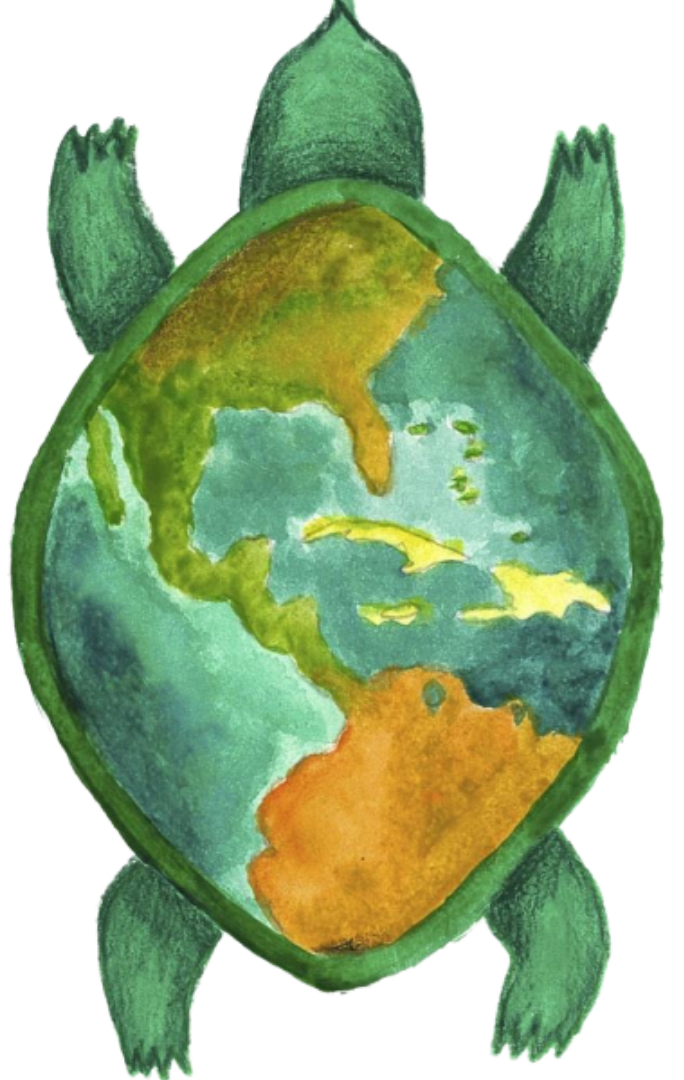
In Gaia’s Garden: A Guide to Home-Scale Permaculture, Toby Hemenway explores how we can design gardens that function more like natural ecosystems. Instead of treating every plant as an individual project, we create relationships between plants, soil, water, wildlife, and people.
For homeowners in Gainesville, Florida, this approach makes particular sense.
Our hot summers, seasonal heavy rainfall, sandy soils, occasional drought, and fast-growing vegetation create unique landscaping challenges. But they also offer opportunities to create beautiful, productive outdoor spaces that develop naturally over time.
The secret isn't planting more.
It's designing better.
What Is a Mature Garden?
A mature garden isn't simply an old garden with large trees.
It's a landscape where plants have established themselves, different layers work together, and the space becomes more functional as time passes.
Think about a newly installed garden. Plants are small, shade is limited, and the soil may still be exposed.
Now imagine that same garden several years later.
Trees have grown. Shrubs provide structure. Groundcovers protect the soil. Flowering plants attract pollinators. Edible plants produce food, and outdoor spaces feel more connected to the surrounding landscape.
The garden has developed.
This is one of the most valuable lessons from Gaia’s Garden: good ecological design considers how a landscape will evolve, not just how it looks on installation day.
For Gainesville homeowners, planning for that evolution can mean fewer unnecessary replacements, better plant placement, and a more rewarding outdoor environment.
1. Design for the Garden You Want in Five Years
One common landscaping mistake is choosing plants based on how they look when you buy them.
A small tree seems perfect for an empty corner. A few shrubs look beautiful beside the walkway. Everything fits.
Until everything grows.
Suddenly, the tree blocks sunlight, shrubs become crowded, and plants compete for space.
A mature garden starts with a different question:
What will this space look like when everything reaches its full size?
Before planting, consider:
Mature height and width of trees and shrubs.
Future shade patterns around your property.
Space for roots and healthy plant development.
Access to pathways and outdoor gathering areas.
How much pruning and maintenance you'll realistically want.
How your family's outdoor needs may change.
In Gainesville, where vegetation can grow quickly during warm, rainy months, these decisions are particularly important.
Planning ahead helps prevent overcrowding and creates a landscape that can develop without constant correction.
2. Build Layers Like a Natural Ecosystem
Walk through a natural North Florida woodland and you'll notice something interesting.
There isn't just one layer of vegetation.
Tall trees create the canopy. Smaller trees and shrubs grow underneath. Flowers, herbs, and groundcovers occupy the lower spaces. Below the surface, roots and soil organisms support the entire system.
This layered structure is an important concept in permaculture and food forest design.
You can apply it to your Gainesville backyard.
Consider combining:
Trees: Provide shade, structure, and habitat.
Understory plants: Add diversity beneath larger trees.
Shrubs: Provide flowers, fruit, shelter, and visual structure.
Perennials and herbs: Add seasonal color and useful harvests.
Groundcovers: Help protect exposed soil and fill planting spaces.
The result can be a landscape that feels fuller, more natural, and more interesting throughout the year.
Of course, plants must be selected carefully. Sunlight, drainage, mature size, and root competition determine which combinations will work.
A layered garden doesn't mean planting everything everywhere. It means giving each plant a suitable place and purpose.
3. Make Gainesville's Climate Work for You
Your landscape already has certain conditions.
Some areas receive intense afternoon sun. Others stay shaded beneath mature trees. Certain spots collect rainwater, while others dry out quickly.
Instead of fighting these conditions, use them to guide your design.
Gainesville homeowners should pay particular attention to:
Summer heat: Select plants suited to the sunlight and temperature conditions of each area.
Seasonal rainfall: Observe how water moves across your property during heavy rain.
Sandy soils: Consider appropriate organic matter management and plant species suited to local soil conditions.
Occasional freezes: Choose plants with suitable cold tolerance for North Central Florida.
Changing shade: Remember that a growing tree can transform the conditions beneath it.
This is the principle of working with nature rather than forcing the landscape to behave differently.
At WithNature Landscapes, our Landscape Design Services in Gainesville, Florida begin with understanding your property's sunlight, soil, slope, and drainage. That information helps create a planting and layout strategy designed around your actual conditions.
4. Improve Your Soil as the Garden Matures
Healthy soil is one of the foundations of a successful mature garden.
Beneath the surface, microorganisms, fungi, insects, and plant roots contribute to the processes that support plant growth.
In Gainesville, sandy soils can benefit from thoughtful soil management and appropriate organic matter additions.
Here are a few ways to support your garden's development:
Use compost: Add compost when appropriate to improve organic matter and support soil health.
Protect the soil with mulch: Organic mulch can help moderate soil temperatures, reduce moisture loss, and protect the soil surface.
Reuse suitable organic material: Fallen leaves and appropriate garden trimmings can contribute to the natural nutrient cycle.
Limit unnecessary disturbance: Preserve established planting beds where practical instead of repeatedly digging and disturbing the soil.
These practices help create a better foundation for plants as they establish and grow.
The goal isn't to eliminate every gardening task. It's to make the work you do contribute to a healthier landscape.
5. Let Your Garden Support More Life
A mature garden should be beautiful for people and useful for wildlife.
Trees, shrubs, and flowering plants can provide food and shelter for birds, butterflies, bees, and other beneficial organisms.
For Gainesville landscapes, consider incorporating suitable native and regionally appropriate species.
Some possibilities include black-eyed Susan, native flowering perennials, Walter's viburnum, and appropriate native trees.
Choose plants with different flowering periods to provide resources throughout more of the year. Avoid invasive species and minimize unnecessary pesticide use around flowering plants.
You can also create small habitat areas within an organized design.
For example, a flowering border can attract pollinators while defining a walkway. A shrub grouping can offer shelter along a property boundary. A mature tree can create a comfortable outdoor seating area.
A garden doesn't need to look wild to support biodiversity.
It needs thoughtful planning.
6. Combine Beauty With Food Production
What if your landscape could provide more than shade and flowers?
Imagine picking fresh herbs near your kitchen, harvesting fruit from your backyard, or enjoying a shaded seating area surrounded by edible and flowering plants.
This is the opportunity behind edible landscaping.
You can combine fruit trees, edible shrubs, herbs, perennial vegetables, and ornamental plants in a design that supports both productivity and beauty.
The key is choosing species that suit Gainesville's climate and your property's specific growing conditions.
An edible landscape also benefits from long-term planning. Fruit trees need room to mature, herbs have different sunlight requirements, and pathways should provide convenient access for harvesting.
A well-designed edible garden can become one of the most rewarding parts of a mature landscape.
7. Plan for Less Work, Not More
A mature garden shouldn't become a maintenance nightmare.
In fact, thoughtful design can reduce unnecessary work over time.
When plants are appropriately selected and placed, they have a better chance of thriving in their conditions. When trees and shrubs have room to grow, you may avoid repeated corrective pruning. When soil is protected, you can reduce some of the problems associated with exposed ground.
Think about the areas of your yard that currently demand the most attention.
Could a difficult lawn area become a planting bed? Could a sunny corner support drought-tolerant plants? Could a poorly used space become an edible garden or shaded outdoor retreat?
These decisions should be based on your property's conditions and how you want to use the space.
If you're ready to create a landscape with a long-term vision, book an appointment with WithNature Landscapes. We can help you develop a practical design that brings together plant selection, soil health, water management, and functional outdoor spaces.
Your Best Garden May Be the One That Keeps Growing
The most important lesson from Gaia’s Garden is that a successful landscape is never just a collection of plants.
It's a living system.
Trees create shade. Plants protect the soil. Organic matter supports soil life. Flowers provide resources for pollinators. Edible plants produce food. Outdoor spaces become more comfortable as the garden develops.
For Gainesville homeowners, this means designing around North Florida's climate instead of constantly fighting it.
You don't have to transform your entire property overnight. Start with a vision, understand your land, and make decisions that support the future of your garden.
At WithNature Landscapes, we believe your outdoor space should become more beautiful, functional, and connected to nature over time.
If you're ready to stop planting for today and start designing for the future, explore our Landscape Design Services in Gainesville, Florida.
Don't just create a garden that looks good today. Design one that gets better with time.
Work with nature. Grow something better.
Contact Me
Send a Message
We design landscapes that work with nature, not against it.
Whether you need a permaculture plan or organic supplies, we're here to help.
Let’s create a thriving, eco-friendly space together!