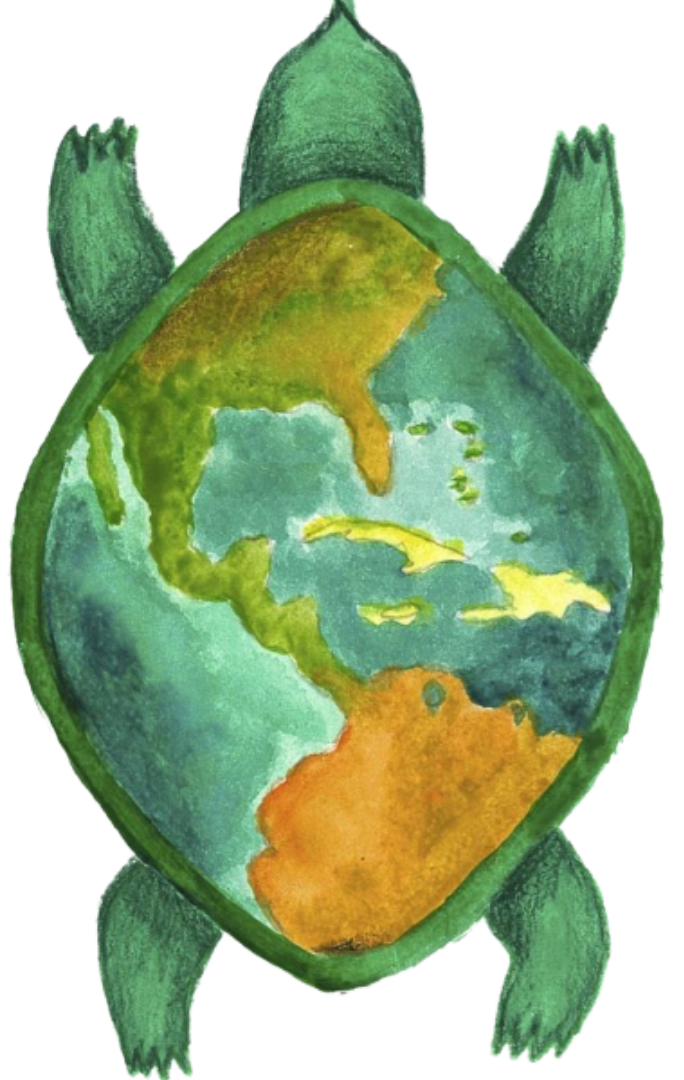
Permaculture Principles of Gaia’s Garden: How Gainesville Homeowners Can Work With Nature

Posted on August 27th, 2026
A beautiful yard can be more than something you mow, water, weed, and maintain.
It can feed you.
It can support pollinators.
It can build healthier soil.
It can capture rainwater.
And, with thoughtful design, it can actually become easier to care for as it matures.
That is one of the most useful ideas behind Gaia’s Garden: A Guide to Home-Scale Permaculture—and it fits surprisingly well with gardening in Gainesville, Florida.
At WithNature Landscapes, the philosophy is simple: landscapes should work with nature, not against it. The company focuses on permaculture landscape design and creating outdoor spaces that combine beauty, function, ecological harmony, and lower maintenance. (WithNature Landscapes)
So what can Gaia’s Garden teach a Gainesville homeowner?
Quite a lot.
What Is Permaculture?
Permaculture is often misunderstood as simply growing food organically or creating a vegetable garden.
It is much broader than that.
Permaculture is an approach to designing systems that mimic the relationships found in natural ecosystems.
Instead of treating your yard as a collection of individual plants, you start seeing it as a connected system:
Soil → Plants → Water → Wildlife → People → Organic Matter → Soil
Everything influences something else.
A healthy landscape isn't necessarily the one with the most plants. It's the one where the plants, soil, water, wildlife, and people are working together.
And that's especially important in Gainesville.
Gainesville's climate gives homeowners tremendous potential for year-round gardening, edible landscapes, native plants, and layered planting systems. But the local conditions also matter: sandy soils, intense summer heat, heavy seasonal rainfall, humidity, and different microclimates across a single property all influence what will thrive. WithNature's own edible-plant resources identify Gainesville as USDA Zone 9a and emphasize designing around these local conditions. (WithNature Landscapes)
1. Observe Before You Design
One of the most important lessons from Gaia's Garden is also one of the simplest:
Watch the land before changing it.
Before choosing plants, observe your property.
Where does the morning sun hit?
Where does afternoon shade develop?
Where does water collect after a storm?
Where does the soil dry out first?
Which trees are already thriving?
Where do birds and pollinators visit?
These observations can completely change a landscape design.
A plant that thrives in one part of your Gainesville yard may struggle 30 feet away because the light, moisture, or soil conditions are different.
The best landscape designs don't begin with a plant list. They begin with observation.
2. Work With Nature Instead of Fighting It
This is the principle that ties everything together.
Traditional landscaping often asks:
“How can I make this yard look the way I want?”
Permaculture asks:
“What is this property already trying to do?”
That's a subtle but powerful difference.
Instead of constantly fighting water movement, you can design around it.
Instead of fighting sandy soil, you can build organic matter.
Instead of trying to eliminate every insect, you can create habitat for beneficial insects and predators.
Instead of relying on a large area of thirsty turf, you can introduce plants that provide food, habitat, shade, beauty, and other functions.
You're not giving up control.
You're using design to cooperate with natural processes.
3. Make Every Element Do More Than One Job
One of the smartest ideas in Gaia's Garden is multifunctionality.
In nature, nothing exists for just one reason.
A tree can provide shade, habitat, food, beauty, wind protection, and organic matter.
A flowering plant can provide color while feeding pollinators.
A groundcover can suppress weeds while protecting soil.
A fruit tree can produce food while creating habitat and modifying the microclimate beneath its canopy.
This is where permaculture becomes particularly interesting for Gainesville homeowners.
Instead of asking:
“What should I plant here?”
Ask:
“What functions do I need this area to perform?”
Then select plants and structures that can perform several of those functions at once.
4. Build the Soil, Not Just the Garden
If you want healthier plants, start underneath them.
Many North Florida landscapes have sandy soil that drains quickly and can benefit from increased organic matter and thoughtful soil management.
That means your landscape strategy shouldn't stop at planting.
It should include:
Compost
Organic matter
Mulch
Healthy microbial activity
Groundcovers
Appropriate organic amendments
Reduced soil disturbance
WithNature emphasizes healthy soil and organic amendments as part of its approach to thriving gardens. (WithNature Landscapes)
And here's the important mindset shift:
Don't just feed your plants. Build the ecosystem beneath them.
When soil becomes healthier, plants have a stronger foundation for growth.
Ready to Design a Landscape That Works With Gainesville's Conditions?
Your yard already has patterns—sun, shade, drainage, existing vegetation, soil, and microclimates.
The opportunity is to design around those patterns rather than constantly fighting them.
Book a Landscape Design consultation with WithNature Landscapes in Gainesville, Florida and start turning those natural patterns into a landscape with purpose.
5. Keep the Soil Covered
Walk through a natural ecosystem and you'll rarely find large areas of completely exposed soil.
There are leaves.
Plants.
Roots.
Organic debris.
Groundcovers.
Nature protects the soil.
Your garden can do the same.
Mulch can help protect the soil surface, reduce evaporation, moderate soil temperatures, and suppress unwanted competition from weeds.
Living groundcovers can take this even further by keeping roots active and creating another layer within your garden.
For a Gainesville landscape, this becomes particularly useful during hot periods when exposed soil can dry quickly.
Healthy gardens aren't just about what's growing above the soil. They're also about what's happening below it.
6. Catch and Use Water
Water is another major permaculture principle.
Instead of treating rainfall as something that arrives and immediately needs to leave the property, consider how your landscape can interact with it.
Depending on your property, this might involve:
Rain gardens
Swales
Berms
Mulched planting areas
Strategic grading
Efficient irrigation
Plants positioned according to moisture needs
The objective isn't necessarily to capture every drop.
It's to slow, spread, and appropriately use water where the landscape can benefit from it.
This is particularly relevant in Gainesville, where seasonal rainfall can be substantial while other periods can be much drier.
Good design considers both.
7. Create Plant Communities
A permaculture landscape doesn't have to look like rows of isolated plants.
Think about a forest.
Trees grow above shrubs.
Herbaceous plants grow below them.
Groundcovers spread across the soil.
Roots occupy another layer underground.
Vines climb vertically.
Different species share the same space while performing different functions.
This is the foundation of layered planting and plant guilds.
In a Gainesville backyard, that could mean combining fruit trees, shrubs, herbs, flowers, native plants, and groundcovers rather than separating everything into disconnected beds.
The result can be more productive, more diverse, and more visually interesting.
8. Invite Pollinators and Beneficial Wildlife
A thriving garden isn't supposed to be sterile.
It's supposed to be alive.
Bees, butterflies, birds, predatory insects, and other wildlife can become part of your landscape's ecological network.
Instead of asking:
“How do I get rid of all the bugs?”
A permaculture mindset asks:
“Which insects belong here—and what can I do to support a healthy balance?”
Planting diverse flowering species, incorporating native plants, providing habitat, and avoiding unnecessary disruption can help create a landscape where wildlife becomes part of the system.
That's one reason a pollinator garden can be much more than a beautiful flower bed.
It can become infrastructure for your backyard ecosystem.
9. Grow Food Without Turning Your Yard Into a Farm
Here's another idea Gainesville homeowners can get excited about:
Food doesn't have to live in a separate vegetable garden.
Edible plants can become part of the landscape itself.
Think:
Fruit trees.
Herbs.
Edible flowers.
Berries.
Perennial vegetables.
Groundcovers.
Vining crops.
A layered food forest.
WithNature's existing approach to edible landscaping focuses on combining food production, beauty, and ecological habitat rather than treating the garden and landscape as separate spaces. (WithNature Landscapes)
That makes sense for Gainesville.
Why dedicate your entire backyard to turf when some of that space could produce food?
10. Design for Less Work Over Time
This may be the most important lesson of all.
Permaculture isn't about doing more gardening.
It's about designing a better system.
A poorly designed garden can create an endless cycle:
Plant → struggle → replace → water → weed → fertilize → repeat.
A thoughtful landscape can move in another direction:
Observe → Design → Build Soil → Plant Strategically → Mulch → Establish → Maintain Intentionally
Over time, trees mature.
Soil improves.
Shade develops.
Plants fill in.
Wildlife discovers the garden.
And the landscape begins to function more like an ecosystem.
WithNature's current landscape-design positioning specifically emphasizes low-maintenance, thriving gardens and landscapes that work in harmony with nature. (WithNature Landscapes)
Why Gaia's Garden Makes Sense for Gainesville
You don't have to recreate a forest in your backyard.
You don't have to eliminate your lawn overnight.
And you don't have to become a full-time gardener.
The real lesson from Gaia's Garden is simpler:
Look at your property as a living system.
Gainesville gives homeowners a remarkable opportunity to do this.
Our climate supports diverse plants.
Our long growing season opens possibilities for edible landscapes.
Our wildlife can become part of the garden.
And our soil can become healthier when we stop treating it as an inert growing medium and start treating it as a living ecosystem.
WithNature's existing Gainesville-focused content makes this same case through edible landscapes, soil building, seasonal gardening, and climate-aware design: design matters more than simply adding more plants. (WithNature Landscapes)
Your Yard Doesn't Need More Work. It May Need Better Design.
Imagine walking outside and seeing a landscape that isn't just ornamental.
It's producing food.
Supporting pollinators.
Building soil.
Using water intelligently.
Creating habitat.
And becoming more resilient with time.
That's the promise behind the permaculture principles found in Gaia's Garden.
And it's a philosophy that can work beautifully here in Gainesville.
Your landscape doesn't have to be another chore on your list. It can become an ecosystem that works with you.
If you're ready to rethink your outdoor space, book a Landscape Design consultation with WithNature Landscapes. Together, you can create a landscape designed around your property, your lifestyle, and the natural conditions of Gainesville, Florida.
Work with nature. Build the soil. Plant with purpose. Let your landscape become more alive. 🌿
Contact Me
Send a Message
We design landscapes that work with nature, not against it.
Whether you need a permaculture plan or organic supplies, we're here to help.
Let’s create a thriving, eco-friendly space together!